Category: Album Review

  • We Emit A Visible Light That Vanishes When We Die by Nelson Comes To Visit

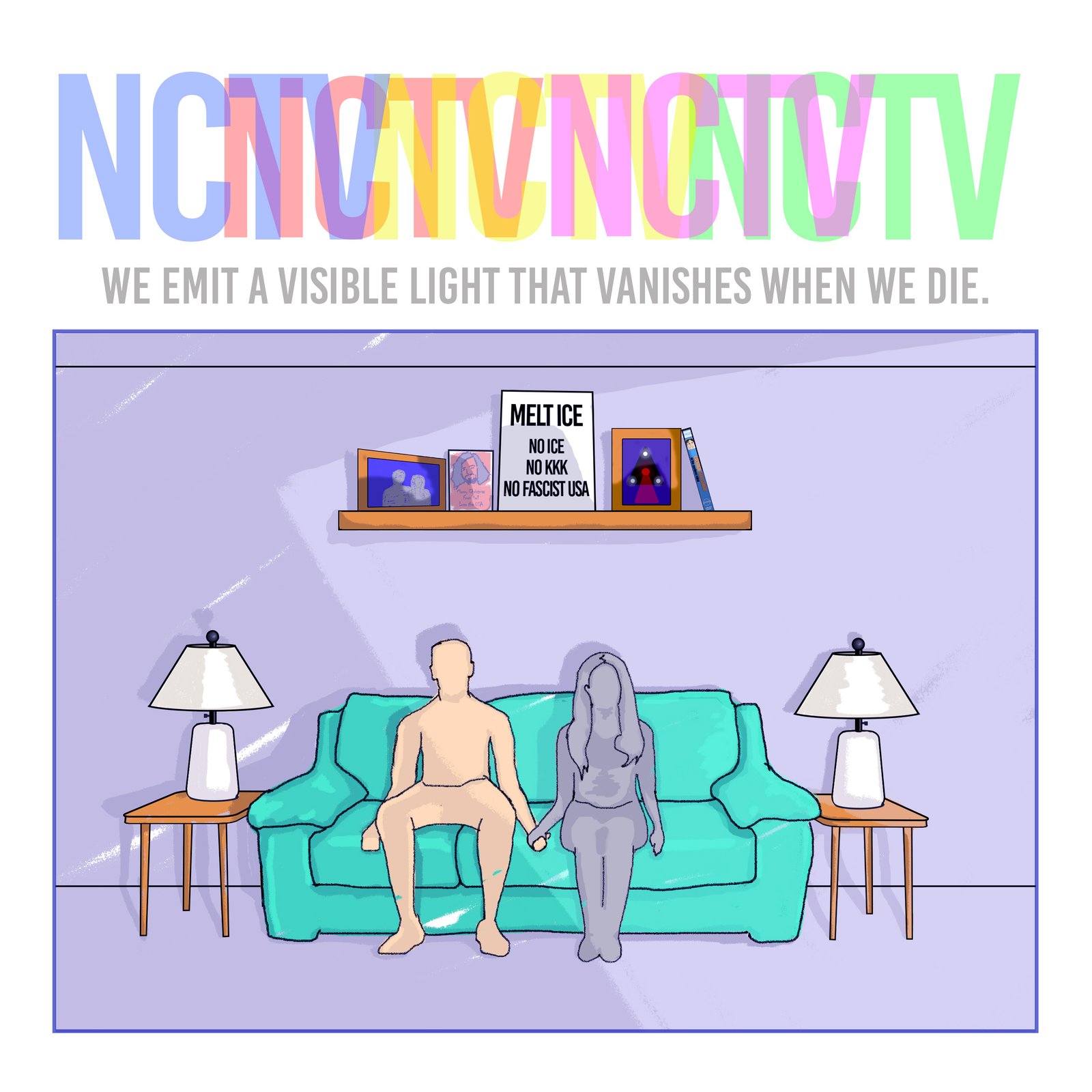
    We Emit A Visible Light That Vanishes When We Die by Nelson Comes To Visit

    Artist: Nelson Comes To Visit (Superdestroyer//Leave Nelson B)

    Album: We Emit A Visible Light That Vanishes When We Die

    Release: September 4, 2026; Lonely Ghost Records 

    The Nelson Comes To Visit series is a collaboration between artists Superdestroyer and Leave Nelson B that has become a yearly tradition around these parts. If you’re fan of the blog this duo certainly doesn’t need another introduction, so I am going to jump right in. 

    The first thing I notice about the album over all is it is darker and more angry than the pervious NCTV releases. A few songs make use of deep throated screaming that I wasn’t initial expecting but over all makes complete sense given the subject matter found in those songs. The state the of the world makes me that angry too fam. I get it. However, amongst the anger and dystopia presented in the album there are songs that illustrate that even when things are bleak, hope can be found. 

    The album starts off heavy with the dystopia in the song “When Confronted With A Life Of Fruitless Toil The Robot Chose To End It”. The name alone puts me in my feels all by itself. The song is about how the American dream is a lie sold to the masses to keep the common folk in line. It also shares a few facts to help support its second point– Billionaires shouldn’t exist. Then, as if its the cherry on top or the final drop of the hammer, the song end with a clip of a news report to let listeners know that the ultra rich are preparing for the end of the world. Are you? 

    Next, the album shares a moment of hope with the song “Martial Bliss”. There is hope in finding your person among the terrors of the world. This song shares exactly that sentiment albeit is a somewhat macabre way. I have a dark sense of humor so I found it endearing and sweet. One of the last lyrics in the song is “So long as you’re alive, the world is worth saving.” Initially, I thought this line was a call to action to carry the listener into the rest of the album, an attempt to assure them things will get better. However, I read the lyrics sheet and there are 2 words that almost get lost in the music that really changes the context. “To me” This is an affirmation of love. It literally melts my heart y’all. 

    The rest of the album continues like this laying out the stark, often dark reality of how things are. Sprinkling little bits of hope here and there to keep listeners going or perhaps even inspire you. The first few lines of “Mason Family Christmas Card” is one of those moments of hopeful inspiration. The call to action at the end of the song makes it clear that it is, indeed, supposed to be taken that way. 

    My favorite song on the album is another moment of hope. “We’ll See Each Other In This Moment For Eternity” the song describes an Antifascist protest. Ending the song with a protest chant is inspired. There isn’t really much else to say about the song its fairly straight forward. More of this in the world please! 

    The album ends with a song called “United States of Israel”. It is a song about the genocide in Palestine. While the song didn’t make my favorite song pick, it contains what I think is the most effective line on the entire album. Its repeated at the very end of the song. In my mind it carries the same weight and gravity of the final lines in the 1983 anti-cold war anthem “99 Red Balloons”. The perfect end to an album about the troubles facing the world today. I don’t know if this is going to make sense to anyone, but much like the end of 99 Red Balloons, in spite of the despair inherent in the scene it paints, I still can’t help but find the line hopeful. After all, nothing manufactured lasts forever and gardens, if left alone long enough, will always grow anew.  

    “We manufactured hell where a garden once grew.”  
  • Annalise Tang by Annalise Tang

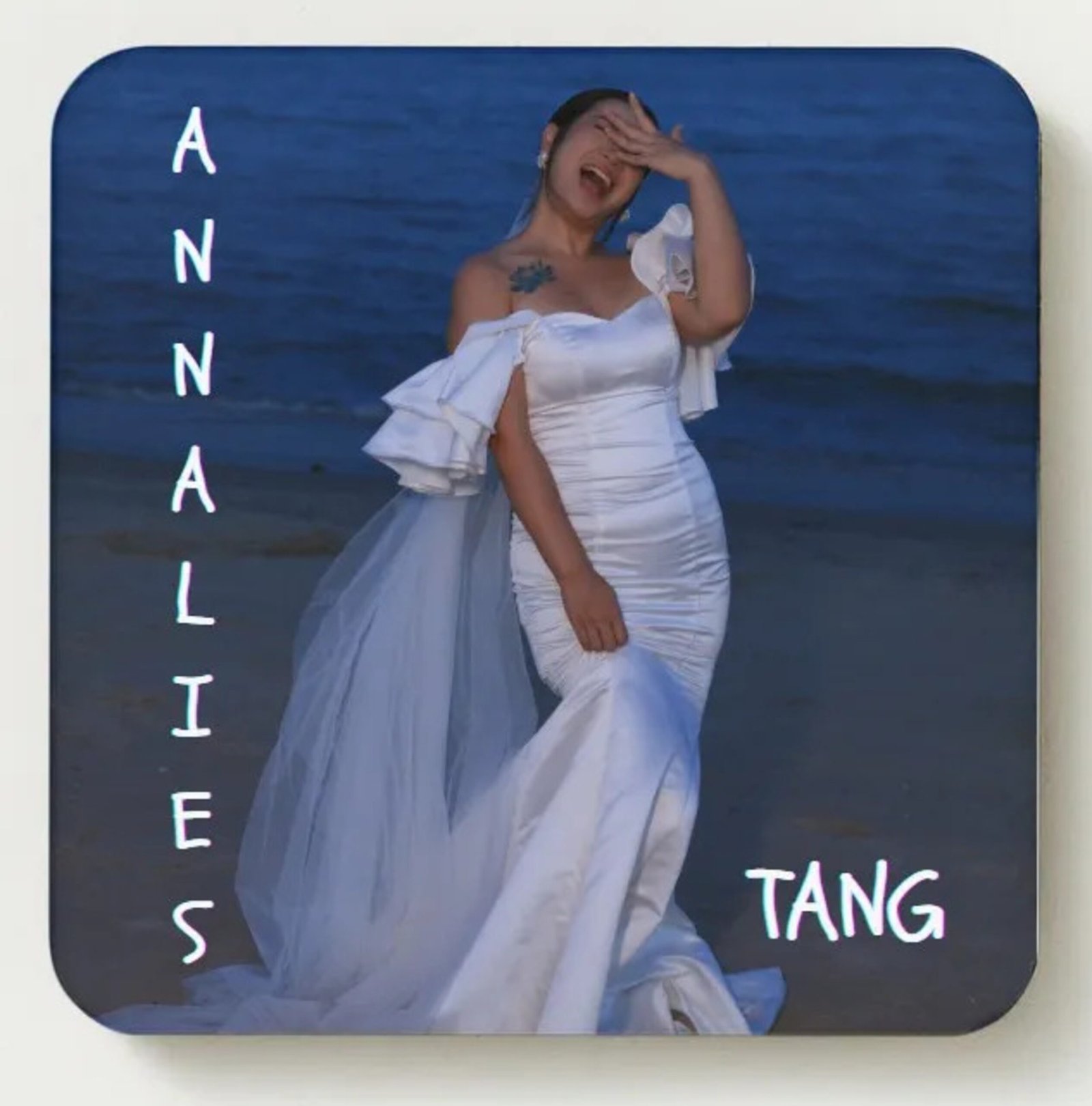
    Annalise Tang by Annalise Tang

    Artist: Annalise Tang 

    Album: Annalise Tang 

    Release: July 31, 2026; Self Release 

    Those who are familiar with ska as a genre are probably well aware of its differing energies, but if you’re looking to dip your toes into the genre but always thought, “Horns? That’s too energetic!”, then Annalies Tang’s self-titled album is for you! On the trombone slide of reggae to ska, the horns section falls somewhere near ‘slow skanking with periods of frenzy in the pit’. Because everyone knows the only difference between reggae and ska is dance style. Okay, there’s a lot of differences between the two; so many entire essays probably exist on the subject. But that’s not the point. 

    Let’s get into it! First off, I enjoyed this album immensely. I’ve probably mentioned before how big into Hope I am lately (can you blame me?). Right off the bat, Annalies Tang reassures you that sure things are pretty bad but they’re probably also good, too. Maybe? Who cares, anyways, let’s take some shots. Once we’re nice and drunk we will probably cry at the beauty of it all. Man, I love being alive.

    And that’s just in the first two songs! 

    Jokes aside, this album also delves deep into some very specific and personal subject matter. I can’t pretend to understand all the complexities of being Chinese in America, but “Jasmine Tea” gives just enough of a picture to put a bad taste in my mouth. This was one of the songs that left a pretty big impression on me on the first listen. If there’s one thing we can all agree on, it’s that we are all victims of the white patriarchy.

    Depending on the way you look at it, “Crystals & Herbs” could be a soothing song about holistic medicine, or calling out how what has long since been used in Chinese medicine (and a plethora of other nonwhite cultures’ practices) has been overtaken by white women specifically and turned it into ‘a fun little quirky hobby.’ I may have been looking too into the meaning of it, but it follows a song literally about the fetishization of Asian women, so… I guess the only way we’ll really know is if we ask Annalies Tang. 

    As a raging feminist and aspiring vengeful ghost, I couldn’t get enough of “Emilio” and “Her and I”, which tells the tale of Emilio who is not only a justice bro, but also a pretty cool ghost. I think we all need to be a little more like Emilio. Cool hair color included, by the way. You can’t have one song without the other, either, so make sure you listen to both. Listen to the whole album, really. 

    I don’t often call songs a ‘perfect closer’, but if I were to assign it to any, “Jelly” is right up there on the list. It’s a meditative romp in the existential ether. Which I admit, doesn’t sound like it should be everyone’s jam (pun fully intended), but give it a try and you’ll see what I mean. 

    In short, Annalies Tang is a beautiful reminder that ‘Chill Ska’ isn’t an oxymoron, but a way of life.

    If you like the album I reviewed here and want to support the artist as well as this blog please consider picking up the album via this affiliate link—>

    Those who are familiar with ska as a genre are probably well aware of its differing energies, but if you’re looking to dip your toes into the genre but always thought, “Horns? That’s too energetic!”, then Annalies Tang’s self-titled album is for you! On the trombone slide of reggae to ska, the horns section falls somewhere near ‘slow skanking with periods of frenzy in the pit’. Because everyone knows the only difference between reggae and ska is dance style. Okay, there’s a lot of differences between the two; so many entire essays probably exist on the subject. But that’s not the point. 

    Let’s get into it! First off, I enjoyed this album immensely. I’ve probably mentioned before how big into Hope I am lately (can you blame me?). Right off the bat, Annalies Tang reassures you that sure things are pretty bad but they’re probably also good, too. Maybe? Who cares, anyways, let’s take some shots. Once we’re nice and drunk we will probably cry at the beauty of it all. Man, I love being alive.

    And that’s just in the first two songs! 

    Jokes aside, this album also delves deep into some very specific and personal subject matter. I can’t pretend to understand all the complexities of being Chinese in America, but “Jasmine Tea” gives just enough of a picture to put a bad taste in my mouth. This was one of the songs that left a pretty big impression on me on the first listen. If there’s one thing we can all agree on, it’s that we are all victims of the white patriarchy.

    Depending on the way you look at it, “Crystals & Herbs” could be a soothing song about holistic medicine, or calling out how what has long since been used in Chinese medicine (and a plethora of other nonwhite cultures’ practices) has been overtaken by white women specifically and turned it into ‘a fun little quirky hobby.’ I may have been looking too into the meaning of it, but it follows a song literally about the fetishization of Asian women, so… I guess the only way we’ll really know is if we ask Annalies Tang. 

    As a raging feminist and aspiring vengeful ghost, I couldn’t get enough of “Emilio” and “Her and I”, which tells the tale of Emilio who is not only a justice bro, but also a pretty cool ghost. I think we all need to be a little more like Emilio. Cool hair color included, by the way. You can’t have one song without the other, either, so make sure you listen to both. Listen to the whole album, really. 

    I don’t often call songs a ‘perfect closer’, but if I were to assign it to any, “Jelly” is right up there on the list. It’s a meditative romp in the existential ether. Which I admit, doesn’t sound like it should be everyone’s jam (pun fully intended), but give it a try and you’ll see what I mean. 

    In short, Annalies Tang is a beautiful reminder that ‘Chill Ska’ isn’t an oxymoron, but a way of life.